Challenging the Status Quo

Challenging the Status Quo

Melanie Tran is a woman in tech, a traditionally male-dominated industry sector, who challenges the status quo not just because she is female but also because of her disability. “I often find myself working twice as hard just to prove my capability,” she says. But she has not let that stop her.

At 19, Melanie took on her first board role with Digital Literacy Foundation (previously known as LeepNGO), a not-for-profit organisation, focused on digital inclusion and addressing the challenges of the digital divide. She has continued to step up when others step back never letting anything hold her back. She was also on the board before becoming Chair for Children and Young People with Disability Australia.

Feeling like she has more to give and wanting to make a real difference, Melanie has stepped onto the board of the International Youth Foundation with initiatives that directly serve millions of young people across the globe to promote youth agency, economic opportunities and leadership. She is an Australian representative advocating for young changemakers. Melanie is not someone that has had to chase these roles. When asked how she got that position, she humbly replies they gave her a call.  She first met them when she participated in the Laureate Global Fellowship, where she travelled to Spain to take part in a leadership and social entrepreneurship retreat alongside 19 young people from across the globe.

It was an amazing experience for her and clearly, she made an impression on the foundation’s leaders, who then chased her up many years later.

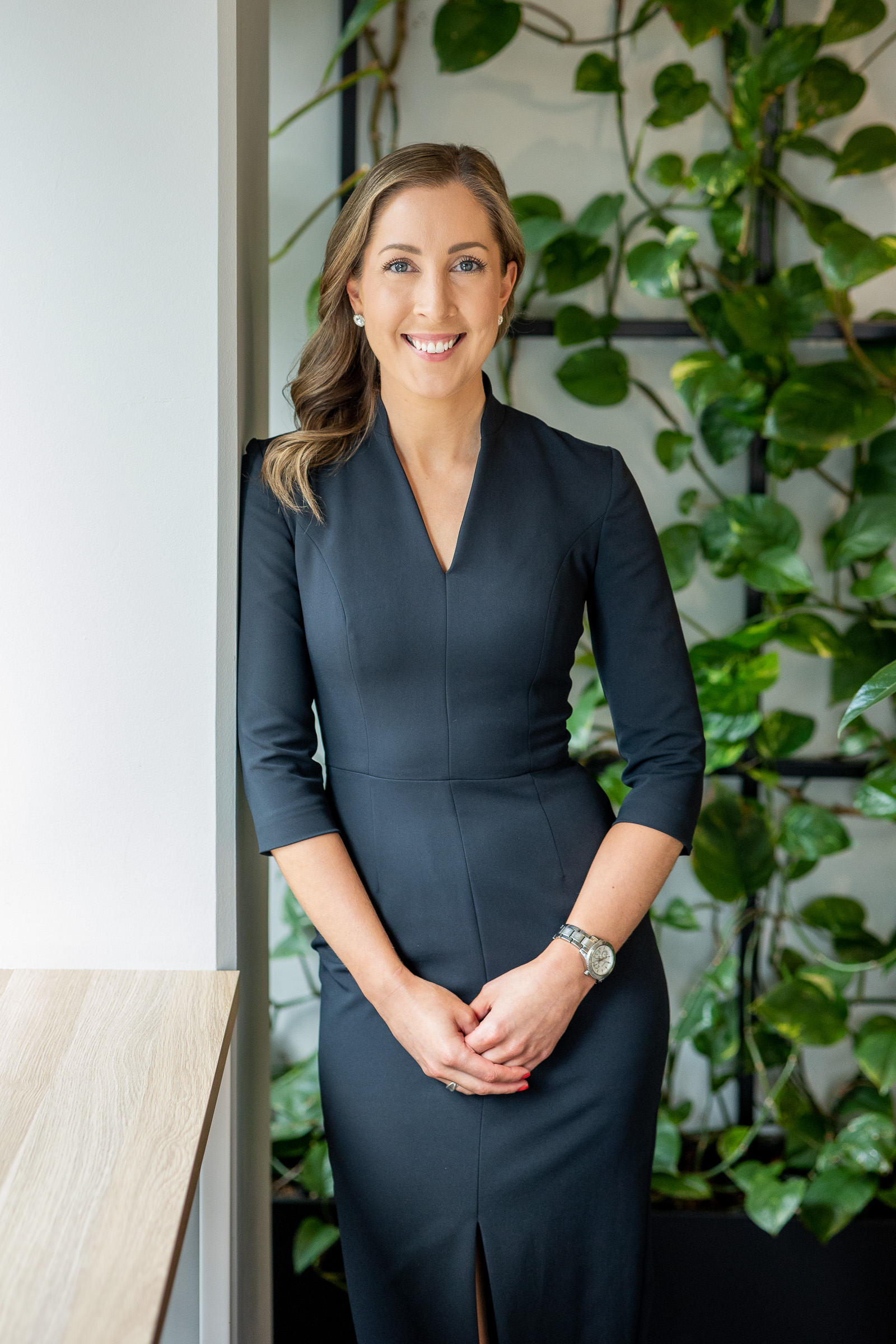
Melanie Tran

In her day job, Melanie is a Product Designer. Currently, she is very proud of the work she has done at Hireup to simplify the experience for those with a disability to find, manage and hire support workers who are able to assist with daily living activities.

When asked about working as a woman in tech and in the intersection of design, innovation and social impact, Melanie said “It is about creating platforms for unique and powerful voices to be heard, and empower women across the globe to create opportunities for themselves and those around them.”

Eight years ago, she vowed she would use her skills and expertise, as well as her own lived experience as a catalyst to drive innovation and positive social change in the healthcare and technology sectors, and today that dream has crystallised into her research project. She is currently doing her PhD on harnessing the power of design and technology to improve the communication experience between young people with chronic conditions and clinicians who specialise in paediatric emergency medicine. Her mission is to create a solution that may address some of these communication challenges, driven by the voices of young people, their parents/caregivers and paediatric emergency clinicians.

As you can see, nothing will hold Melanie back. Her advice to others wanting to challenge the status quo, is, “Be bold and brave” and “It’s okay to make mistakes because we can learn from these lessons. It’s about embarking on the journey of continuous transformation.”

Taking Flexibility to a Whole New Level

Taking Flexibility to a Whole New Level

There is a lot of talk about flexibility and hybrid working. Yet too often, when we dig deeper, flexibility is minimal and the gains almost non-existent. So Coulter Legal, a respected Geelong-based legal firm, has decided it is time to break the mould and take the concept of flexibility and hybrid working to a whole new level.

Importantly, it is proving to be a gamechanger for their recruitment and retention objectives.

Almost all their people take up some form of flexibility. This can include varying start and finish times, compressed working weeks, part-time hours and working from home or from an office closer to their own home. They are proud they have managed to conceive and adopt a flexibility model which is possible to offer to all their people, regardless of their position. The model ensures all employees can take advantage of the scheme in an equitable manner for their own circumstances.

“We pride ourselves on our individualised approach to flexibility,” says Belinda Perisic, General Manager. They have embraced their employees’ parenting needs and turned it into a competitive advantage.

The legal industry is often known for its rigid philosophies and partnership structures which do not support partners or principals in any part-time capacity. Not so Coulter Legal who have Alicia Carroll, Principal Lawyer and Head of Corporate & Commercial. She is taking advantage of the scheme choosing a four-day working week with excess load spread across the team. Bonnie Phillips, Head of Family & Relationship Law is currently on parental leave and will return in a part-time capacity in 2023.  The team are already working on a delegation structure to ensure that Bonnie is well supported in he return to work next year.

Coulter Legal
Two additional game changers include the extension of the parental leave policy to 18 weeks and the removal of any distinguishment between primary and secondary carers. Upon the introduction of these measures, they immediately went from two to three taking it up per year to seven in 2022. The program also includes paid superannuation on unpaid leave up to 52 weeks, paid leave for pregnancy loss, paid leave for IVF treatment, and additional support on return to work including part-time and staggered returns.

Quite simply, employees are trusted to work flexibly in clearly outlined relationships. For instance, Belinda personally feels it is important to mirror the values of Coulter Legal, so she chooses to do child drop-off and pick-up every day. One day, excess traffic after drop-off caused her to run late to an interview. “Whilst the situation was not ideal, it was the best way to demonstrate to the candidate that we are serious about flexibility and understand people have responsibilities outside of work.”

Graduates are included in the scheme too. One of the newly hired grads works remotely from Gippsland. She comes into the Melbourne office as agreed. The company have been inventive at ensuring adequate systems are in place for this graduate to use collaboration tools to ask questions and stay on track.

Given the number of employees working flexibly, you could argue they are out of sight and that this might impact their ability to progress their careers. The Coulter Legal team have that covered with a robust talent planning system which ensures people are assessed based on their performance and career aspirations. People are not disadvantaged by taking parental leave as promotions are given to those most deserving. Belinda advised, “We recently promoted a lawyer into a very senior position and then immediately put that on hold so that she could take her maternity leave and focus on her family. She will begin in her new role when she returns to the business in 2023.”

Empathy is one of their foundational considerations as demonstrated by their Family Violence Leave Policy. This allows staff to take the time they need to escape domestic violence through offering paid leave and additional support, including through their Employee Assistance Program. In circumstances where someone shares that they are living in or escaping from family violence, they take a very caring and confidential stance to ensure their staff member is safe first.

Managing Principal, Anne O’Loughlin, also commented that “Coulter Legal are committed to addressing the changing needs of the team on an ongoing basis and that it is part of the strategic plan at Coulter Legal to remain flexible and focused on their people.”

Coulter Legal is incredibly proud of its diversity, in particular their gender equality. They are 80% women and have equal representation of women and men across both Executive and Leadership levels. Clearly, it’s a great place to work!

Respect is a Fundamental Ingredient

Respect is a Fundamental Ingredient

For Leonora Risse, being taken seriously as an economist has not been easy, particularly as she has chosen to encourage other women into the field.

Leonora earned her PhD in Economics from the University of Queensland. She has previously served as a Senior Research Economist for the Australian Government Productivity Commission and is currently a Senior Lecturer in Economics at RMIT University in Melbourne. Her research focuses on understanding gender differences in economic opportunities and outcomes encompassing such issues as the gender pay gap, women’s under-representation in leadership and the influence of societal norms.

However, Leonora’s areas of expertise extend to labour economics, demographic economics, economic psychology, disadvantage and wellbeing. She engages regularly with public audiences, government, industry and community groups on gender equality issues. This includes identifying evidence-based strategies to close gender gaps and applying a gender lens to economic analysis and policy design. Leonora was named among Apolitical’s 100 Most Influential People in Gender Policy in 2021.

Respect Women in Economics
Gender equity has always been a deep mission in her heart. “In my own field of economics, the persistent under-representation of women meant that we needed to take bold action to tackle the deeply ingrained inequities in our profession. For too long, the insights, wisdom and experiences of women and the economic policy issues that matter for women have been overlooked and under-valued.”

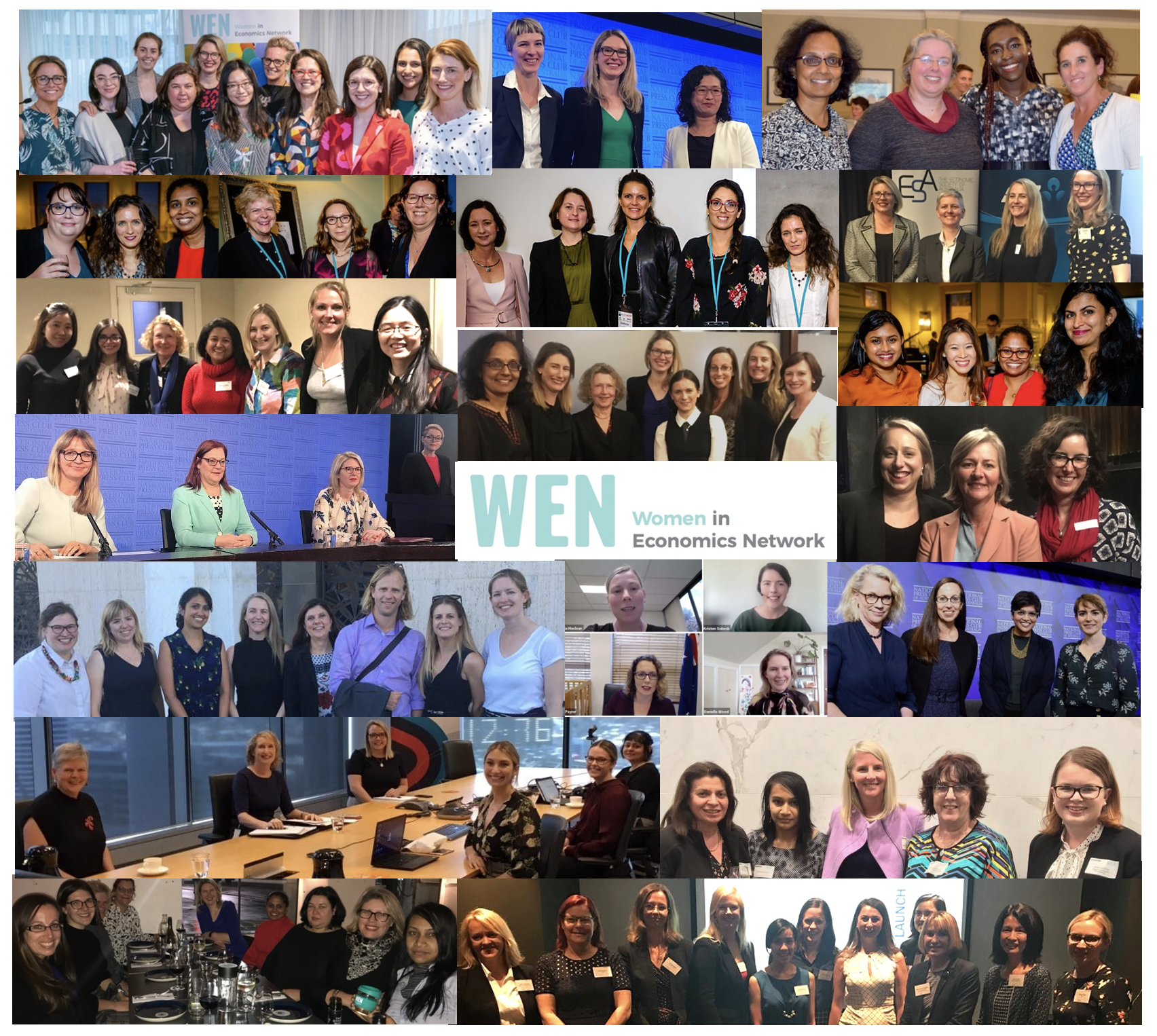
 One of her most meaningful contributions was to be part of a wonderful team of women who created the Women in Economics Network (WEN) in Australia in 2017. Its purpose is to tackle inequity head-on. “It has been an honour to serve as National Chair of WEN and play a role in empowering and elevating the many brilliant female economists in Australia whose talent and expertise might otherwise go unrecognised. WEN is proving to have a meaningful impact on the economics profession in our country.”

Leonora continues; “Members of our WEN community attest that WEN has had the effect of broadening the spectrum of topics that are on the agenda, elevating economic issues that are of concern to women and improving the visibility of female economists in public debate.” Perhaps most significantly in touching people’s lives, WEN members report they feel a stronger sense of belonging and inclusion. Even men in the profession attest that WEN has made a positive impact.

“Across my research, advocacy and policy engagement on gender equality, I have strived to use my research insights to help empower policymakers, organisations and advocates with tools for change. Equipping others with a deeper and authentic knowledge of what works to close gender gaps and using factual evidence to help dispel myths that get in the way of true progress, is all part of our armour. I am deep believer in democratising this knowledge and am keenly in the process of creating a Gender Equality Evidence Hub as an open-access online portal to help equip more advocates with these tools.”

women in economics
In all her work, Leonora firmly believes, “Gender equality is about respect, inclusion and empowerment for all women, from all backgrounds and across all communities. Gender equality is not progress if some groups of women are being left behind.”

Leonora believes gender equity needs to include men as part of societal change. Through her research and policy work, she aims to help build an awareness that gender norms and biases are constrictive and damaging for men too. “This helps us move towards this goal of gender equality and dismantling the gender norms that perpetuate biases and barriers as a shared, collective, society-wide mission.” Her unwavering belief is that gender equality is a human right.

“It’s about dignity, respect, the opportunity to achieve our potential and for each person’s contribution to be fairly valued. It is uplifting to be part of a global community of change-makers who hold this value dear to their hearts.”


The Gender Equity Roadmap

The Gender Equity Roadmap

The Gender Equity Road map started here.

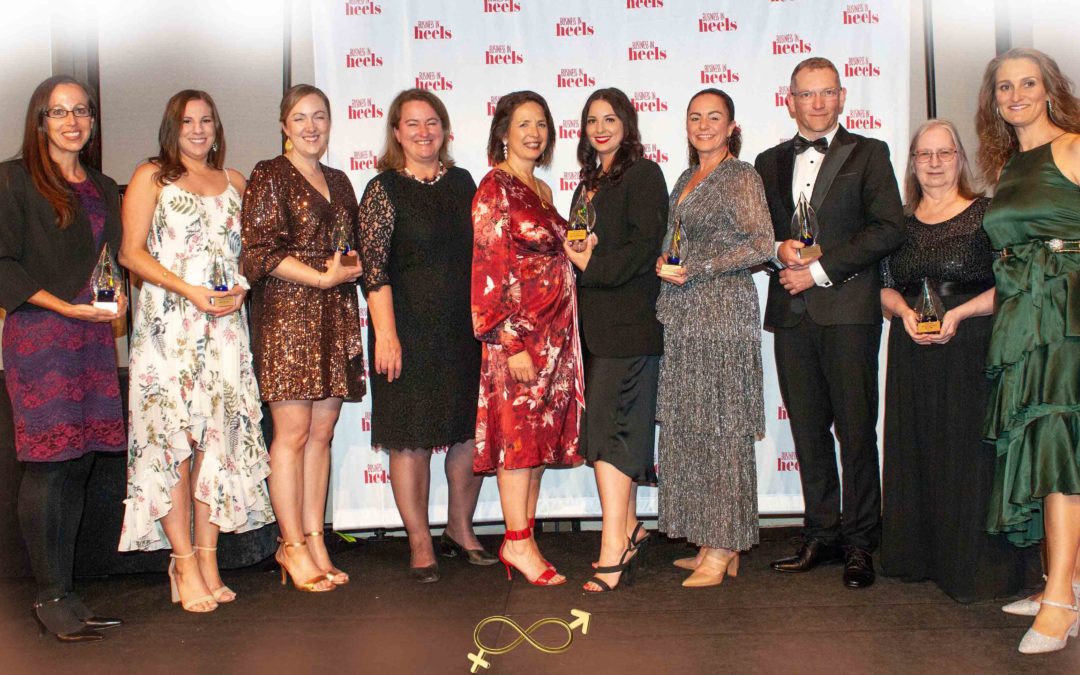
It started with a dream to find out what great businesses and individuals were doing to champion gender equity.  Amazingly a vast array of businesses stepped up to share their practices and many humble Individuals who were nominated have shared their stories.  The journey had begun. The process involved 20 diverse judges, 50% women and men, industry experts from all walks of business who invested their expertise. All of this was overviewed by KPMG to ensure the results were unbiased and valid.

We are excited to announce that eight months later we can share the initiatives and the behaviours that are consistently making a difference.

It’s all about people.

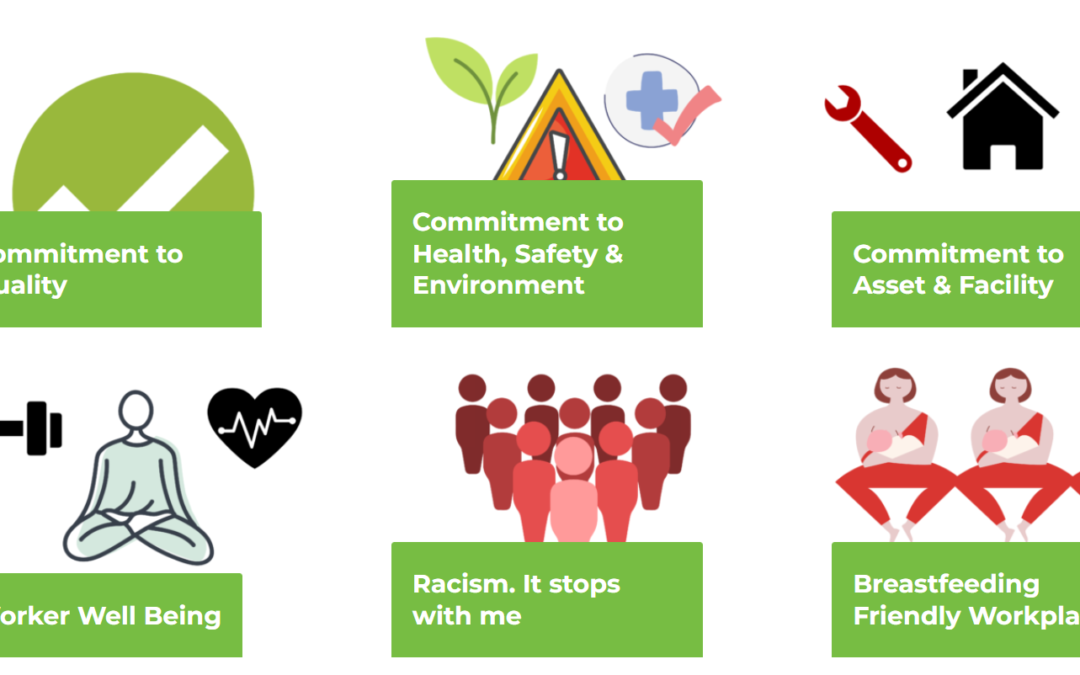
Overall, the leading companies are able to look after their people as individuals, with an array of flexibility and resources that are making a difference. Easy to say but hard to imagine so here are some examples.

Cotton On have a mantra of “inspiring, caring for and growing their people is at the heart of who they”. They have a smorgasbord of initiatives that range from: –

  • the Family & You Childcare offered affordably and for piece of mind of their head office team
  • to Returnity, a phased return to work program after parental leave,
  • to Baby and YOU Packs A pack of sleepwear, activewear and newborn essentials
  • to Furry friends’ initiatives for the 4-pawed family members

In the manufacturing industry Jayco have innovated to enable working mothers to work in short shifts around their parenting duties of school drop off & pick-up. The impact for both has been amazing with the mums being able to re-enter the workforce and gain some financial stability. From Jayco’s perspective this shift is incredibly productive. They also sponsor development for women from the factory floor into all levels of management. This has impacted the leadership team which has gone from 20% women to 50% today.

In the legal industry, Coulter Legal are championing flexibility in working at all levels. For example, they have Senior Principal Lawyer in a part time role. Unheard of this industry and it’s not just five days of work squashed into four, they have realigned the KPI’s to spread the responsibility across the team.  Another example is unbiased professional progression, on one occasion they promoted one of their Lawyers to Senior Lawyer while she was on maternity leave.

A number of these organisations actively champion and engage with communities that are discriminated against like Polaron who champion migrant women into their language services businesses.

Accuteque are an IT company started by Caroline Patton with the majority of directors & senior leaders being women, again highly unusual in IT. They promote unbiased recruitment based on their policy of  “we accept people for who they are”. This embraces people of all ages whether returning to work, at the end of the career or starting out.


It’s all about equity

In the sporting industry, which is traditionally male dominated GippSport, they have been at the forefront advocating for Gender Equality implementing a huge breadth of initiatives. They understood that to positively impact the gender imbalance on the pitch they would need to start with their own organisation. CEO Dan Pynton, is incredibly proud of the work they have done to recruit and develop the women on the GippSport team. It hasn’t been easy; they have had to chase down funding and invest equitably in women to address the imbalance that is historical in the community sport sector. As a result, one of their team has completed the Foundation Company Directors program, others have finished the various Government funded Emerging Leader’s program’s and three traineeships have been established.

“It is about equity, not equality,” says Dan.

In a proactive effort to ensure his team was on board with the investment in women, Dan started with training his male staff as allies. Today, GippSport has grown to three times its former size with women’s representation changing from 20% of the team to 60%. This is replicated on GippSport’s Board where 5 of 8 of the Directors are women from a range of backgrounds and professions.


It’s all about fairness

The Construction Training Centre. Created a landmark initiative when they determined to pay an extra 1% superannuation to all their female employees as well as continuing their full super whilst on maternity leave. Driven by the huge gap in superannuation between men and women at retirement, CEO, Phil Diver, felt the initiative was justified. His first challenge was to get his organisation and board onside which involved a number of robust discussions. With the support of the board and key sponsor the late Ron Monaghan, the initiative was approved. (Ron was also the driving force behind having the stolen wages for First Nations people repaid by the Queensland government.)  However, to do so it had to be done lawfully which required arguing the case before the Queensland Civil and Administrative Tribunal. QCAT ruled in favour of the Construction Training Centre and the superannuation changes were approved and implemented. At the time, this decision created some media interest in Queensland and the female staff have been enjoying the additional superannuation for over five years.

It’s all in the words …

In some cases, it’s the semantics that count. Simply changing the parental leave offering by removing the primary & secondary carer status has had a huge impact. It has changed how employees feel, it demonstrates a culture of caring for families and it has had a huge uptake by both male & female employees.

Its all about breaking down the biases

GippSport actively support female leaders across all community sporting groups to succeed. In one example a new president of the Board riders association in Phillip Island was elected and as the second female to hold the role felt “out of her depth”. With the support of the team, she has embraced the role and is now widely recognised as a role model.  

In other activities they champion coaches & other leaders who form non-traditional role models in an effort to break down stereotypes with a goal to reduce domestic violence.


It’s all about inclusion…

Many of these businesses have broadened parental leave to encompass adoption, IVF and even recognising still birth leave needs.

Inclusion starts with finding those excluded or discriminated against. All these organisations have gone out of their way to establish inclusive networks to encourage these individuals to find their voice & overcome their obstacles.

There are many male dominated industries like technology and manufacturing. Certainly businesses with in technology have been innovative with programs such as She Builds AWS Girls Tech Days and Go Girl Go for IT. Others have implemented ones to reskill women in technology so they are employable into this lucrative market.

It takes a village to create change

From an individual perspective we discovered a common trait in all the finalists was their willingness to go above and beyond, to challenge the status quo, & help create the change that was needed.

Leonie Noble was frustrated with government edicts that impacted the fishing industry and determined to “have a voice” . After loads of letter writing the minister came to town and encouraged her to get involved with policy. Today she is still advocating for necessary changes, as the president of the National Rural Women’s Coalition her remit has expanded, she now has a voice for rural women all over the world

Leonora Risse, as a senior economist, has felt women  in economics were persistently being under represented and rarely present in the media. To create change she co-founded the Women in Economics Network (WEN) in Australia in 2017, to tackle this inequity head-on. The outcome has been to the elevating of economic issues that are of concern to women, for instance COVID impact to the gender pay gap, and improving the visibility of female economists in public debate.

It ends with a dream..

Now it’s up to you. Take these ideas and apply them to your industry or business or perhaps challenge the status quo. If we all play a part no matter how big or small we can make difference. It takes a village to raise a child and it is going to take all of us to create Gender Equality.


These stories are told in full on the Recalibrate – Gender Equity Awards website. 

Fairness is Simply Good Business Sense

Fairness is Simply Good Business Sense

Over the years, Phil Diver has become passionate about gender equity and is now driven by his desire to achieve fairness in the workplace. Yet he has had to undergo some personal challenges to end up where he is.

Starting out in an all-boys school, he was led to believe men were smarter than women. At university, a series of confronting episodes made him doubt this earlier teaching as he noticed his female counterparts being very capable of asking “next-level” questions and demonstrating enviable levels of intelligence. A hard truth needed to be swallowed: he’d been misled.

Since those early years, Phil has become CEO of the Construction Training Centre. One of his most notable achievements has been to pave the way to pay an extra 1% superannuation to all his female employees as well as continuing their full super whilst on maternity leave. Driven by the huge gap in superannuation between men and women at retirement, Phil felt the initiative was justified. His first challenge was to get his organisation and board onside which involved a number of robust discussions. With the support of the board and key sponsor the late Ron Monaghan, the initiative was approved. (Ron was also the driving force behind having the stolen wages for First Nations people repaid by the Queensland government.)  However, in order to do so it had to be done lawfully which required arguing the case before the Queensland Civil and Administrative Tribunal. QCAT ruled in favour of the Construction Training Centre and the superannuation changes were approved and implemented. At the time, this decision created some media interest in Queensland and the female staff have been enjoying the additional superannuation for over five years.

Phil Diver

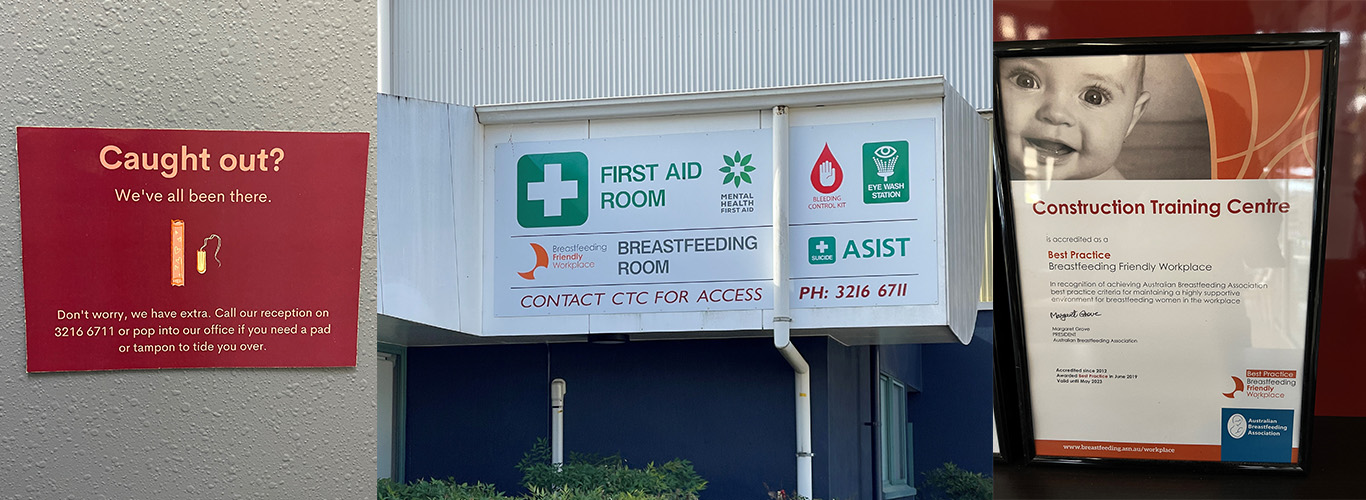
Prior to this, Phil introduced an accredited breast-feeding room at CTC which has recently celebrated its 10th year. . He admits, “This was one of the harder initiatives to implement as certification by the Breast-Feeding Association of Australia was very stringent perhaps even more so than achieving ISO standards.” For instance, the water needs to be delivered at a consistent temperature.  Nonetheless, Phil felt it sent the right message: everyone is valued so well worth the effort

Phil continues to be at the forefront of gender equity today by providing free sanitary products across the precinct under their Caught Short program. The CTC has numerous toilets spread out across the precinct which Phil and his team manage. The idea came up over a “toilet meeting” to discuss the dangerous misuse of the toilets.  During the discussion, the important question was asked, “How else can we help our clients?” This led to a number of initiatives, one of which is the Caught Short program which today provides sanitary for anyone who finds themselves…caught short! Another was the transgender inclusive toilet to provide a sense of security and value for those who attend the precinct for training, who may identify as transgender or non-binary

Not all Phil’s initiatives revolve around women. Flexibility in employment is important for all genders in relation to parenting and mental health. The CTC has been a strong advocate of the “Mates in Construction” initiative and managed the grant that led to its establishment. This ground-breaking program raises awareness of suicide issues in the construction sector and provides trained workers across the industry with the skills to identify issues and intervene.

Phil reiterates that it is all about valuing people and being fair. It’s pragmatic business sense. Today when others are struggling to attract and retain their workforces, the Construction Training Centre, led by Phil Diver, is creating an outstanding place to work.