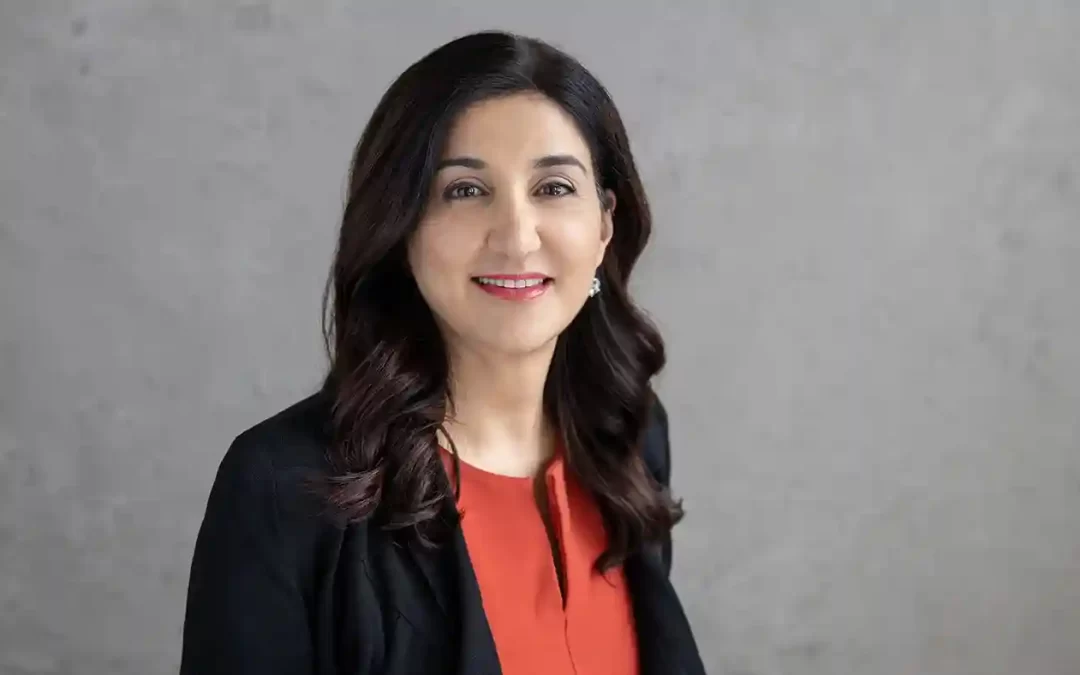
Lisa Annese has spent her career turning research into results. Her influence is embedded in the systems now pushing Australian workplaces toward genuine gender equity. What began as analysis and advocacy has become a national infrastructure of transparency, accountability, and real opportunity for women in leadership.
Her impact took root early in her career when she worked with the Workplace Gender Equality Agency and its predecessor. There she contributed to the policy framework that underpins the Equal Opportunity for Women in the Workplace Act 1999 and helped create enduring accountability tools including Australia’s first census of women in leadership, the Business Achievement Awards, and the Employer of Choice for Women citation. These initiatives did more than recognise progress. They shaped the expectations now placed on employers, that leadership equality requires proof not promises.
This pursuit of evidence that drives meaningful change defined her next decade as CEO of Diversity Council Australia. Under her leadership the organisation expanded to support approximately 1,400 member organisations and delivered research that shifted the national conversation. Studies on pay equity made the economics of fairness impossible to ignore. The Inclusion at Work Index gave organisations a benchmark to measure inclusion as a business priority rather than a side project. Work on mainstreaming flexibility reframed it from a personal accommodation to an operational advantage, improving retention and performance for everyone.
Annese champions practical change. Her work has helped leaders understand that structural barriers, not women’s ambition, limit advancement. She influenced employers to redesign cultures so that diverse leaders can thrive, not simply be invited in. Every program she backed connected the right thing to do with the smart thing to do, balancing values with economic outcomes.
In 2025 she stepped into a new chapter as CEO of Chief Executive Women. The timing was symbolic and strategic. CEW marked forty years of advocating for women in senior leadership, and Annese arrived intent on accelerating progress. She has strengthened CEW’s public voice, bringing its Senior Executive Census into the national spotlight. Through media and advocacy she has been clear that targets must be backed by accountability. If leadership pipelines are not moving, then remuneration should. If inclusion is the objective, then leaders must be rewarded for outcomes not intent.
Her message resonates because it is grounded in a career spent showing what works. The systems she helped design at WGEA built transparency. The insights she amplified through DCA built capability. Now, through CEW, she is pushing for the last piece of the puzzle, consequences that match commitments.
Annese’s leadership is characterised by steadiness and optimism. She asks bold questions without theatrics. She brings people along without diluting the urgency. She knows that equity cannot rely on goodwill alone and yet she remains confident that most leaders want to create workplaces where women succeed without conditions or trade offs.
Her legacy is not a single program or milestone. It is the cumulative shift in how organisations make decisions. Today boards, executives, and investors routinely interrogate gender data. They understand the cost of attrition and missed female talent. They expect visibility of progress and clarity when progress stalls. That mindset change is permanent. It continues to rise because her work made it measurable.
Leadership equality is not achieved, but the runway is undeniable. More women are studying, entering professional roles, and leading teams. Flexible work, once framed as an exception, is now a competitive differentiator. Gender data is public, policy settings are stronger, and community expectations have sharpened.
Lisa Annese helped build the architecture that supports these shifts. She turned insight into action, information into systems, advocacy into accountability. Her legacy is a better set of rules for leadership in Australia, and a more ambitious future for the women who will shape it.