
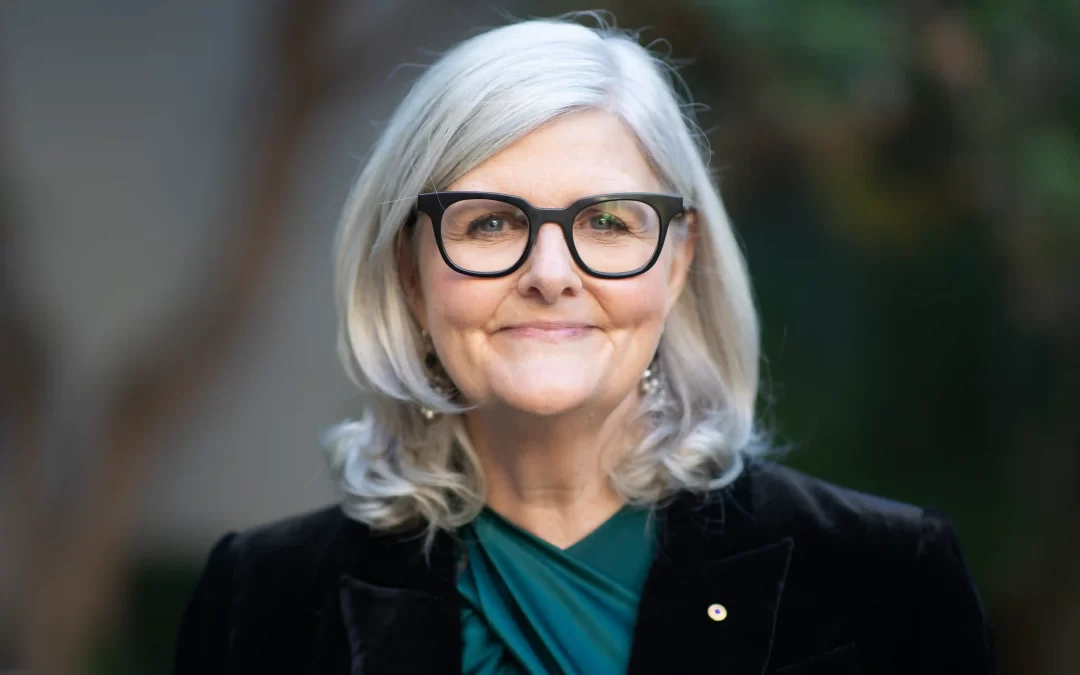
Lift standards, build respect, widen the pathway. That is the frame Sam Mostyn AC (Her Excellency the Honourable Ms Sam Mostyn AC, Governor-General of the Commonwealth of Australia) brought into Australian football, a code that was still finding language for safety, equity, and the talent of girls and women. The idea was simple: set respect as a policy, not a vibe; create clear education, clear complaint pathways; develop a culture that says women belong on the field and in the boardroom.
The journey began in 2005 when Mostyn became the first woman appointed to the AFL Commission. Resistance was real , “there were 16 clubs back then and only 13 supported the appointment of a woman” she recalled. ABC+2ABC+2 Yet the work pressed on. The Respect & Responsibility policy followed: a lean but practical scaffold that shifted behaviour for players, coaches and clubs. It embedded prevention of violence against women, education for men and boys, and avenues for reporting. That’s how cultural change becomes daily practice rather than annual slogans.
Success today looks like visibility with depth: community girls’ teams that feel normal; leaders who speak to respect before they speak to tactics; a code that keeps learning. For instance, the growth in women and girls’ participation in community Australian Rules football has been dramatic. The change didn’t happen by accident. It came through governance that paired courage with detail, and a commissioner who kept the door open for the next generation to step through.
Case Study 1: Community club environment shift
One concrete example: the East Geelong Football Netball Club in Victoria committed to the Women & Girls Community Football Charter. In 2023-24 the club ran U10 and U12 girls teams and announced growth toward U14 for 2025. eastgeelongfnc.com.au By publicly signing the charter the club mapped its intent around the four principles: opportunity, visibility, access and investment. Play AFL
What changed: girls don’t have to ask “is this for me?” anymore; they see pathways, feel welcome, see club leadership acknowledge them. The infrastructure around optimism is now there.
This is exactly the kind of “standards built-in” approach Mostyn’s frame supports.
Case Study 2: Leadership and boardroom impact
On the elite governance side: Sam Mostyn herself has spoken about the necessity of purposeful appointment of women in leadership, not simply a token gesture. She said:“Hoping, wishing and praying for change when you’re in the minority of an industry is not going to work … You need a purposeful set of appointments and processes.” ABC+1
Her appointment to the AFL Commission triggered not just representation, but a shift in norms: women in governance, women in decision-making roles, women in the room where standards are set. afl.com.au+1
This matters because standards drop from the top; culture flows downstream. And the boardroom becomes as important as the playing field.
Wrap – still more work to do
Even with these steps forward, the journey is far from complete. Research shows women and girls still face structural barriers: facilities that aren’t female-friendly, lower pay, fewer leadership roles, ongoing harmful attitudes. Taylor & Francis Online+1
In her words, her early appointment came with “hate mail … I knew there were three clubs not happy about this direct appointment of a woman.” Risky Women The push now is to ensure respect isn’t only set at policy but lived in every committee meeting, every locker room, every junior club.
So: yes, the pathway is clearer, the standards higher, the possibility stronger. But the next chapter demands vigilance. We must keep widening access, investing in infrastructure, lifting leadership, and embedding respect so that everyone sees the field, the boardroom and the pathway as belonging.