The Gender Equity Roadmap
The Gender Equity Road map started here.
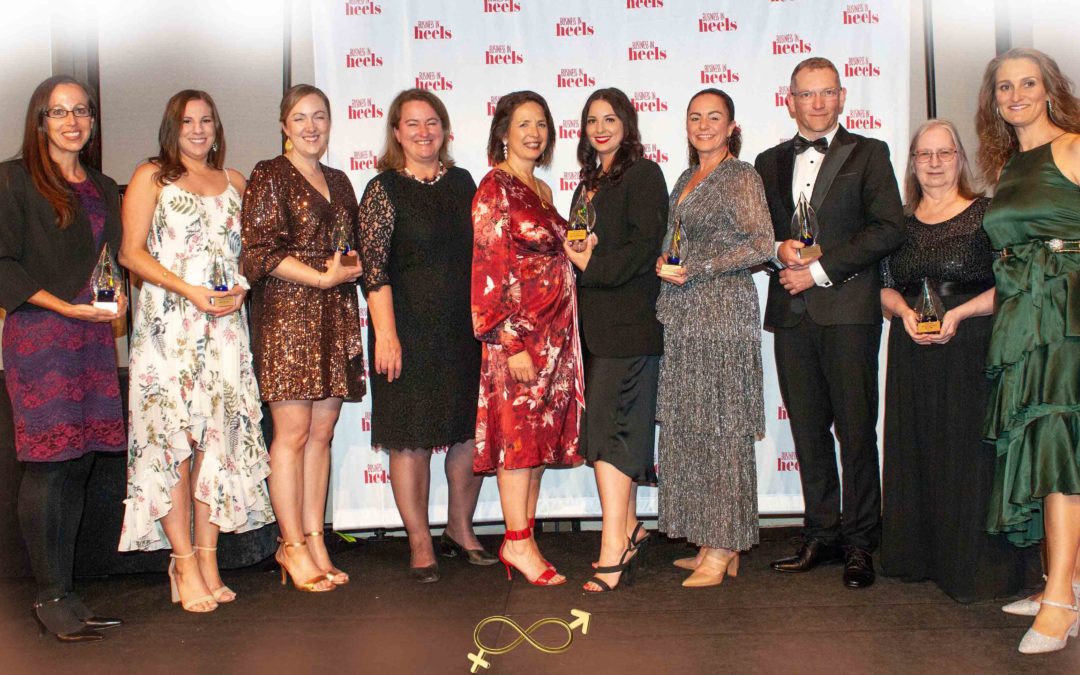
It started with a dream to find out what great businesses and individuals were doing to champion gender equity. Amazingly a vast array of businesses stepped up to share their practices and many humble Individuals who were nominated have shared their stories. The journey had begun. The process involved 20 diverse judges, 50% women and men, industry experts from all walks of business who invested their expertise. All of this was overviewed by KPMG to ensure the results were unbiased and valid.
We are excited to announce that eight months later we can share the initiatives and the behaviours that are consistently making a difference.
It’s all about people.
Overall, the leading companies are able to look after their people as individuals, with an array of flexibility and resources that are making a difference. Easy to say but hard to imagine so here are some examples.
Cotton On have a mantra of “inspiring, caring for and growing their people is at the heart of who they”. They have a smorgasbord of initiatives that range from: –
- the Family & You Childcare offered affordably and for piece of mind of their head office team
- to Returnity, a phased return to work program after parental leave,
- to Baby and YOU Packs A pack of sleepwear, activewear and newborn essentials
- to Furry friends’ initiatives for the 4-pawed family members
In the manufacturing industry Jayco have innovated to enable working mothers to work in short shifts around their parenting duties of school drop off & pick-up. The impact for both has been amazing with the mums being able to re-enter the workforce and gain some financial stability. From Jayco’s perspective this shift is incredibly productive. They also sponsor development for women from the factory floor into all levels of management. This has impacted the leadership team which has gone from 20% women to 50% today.
In the legal industry, Coulter Legal are championing flexibility in working at all levels. For example, they have Senior Principal Lawyer in a part time role. Unheard of this industry and it’s not just five days of work squashed into four, they have realigned the KPI’s to spread the responsibility across the team. Another example is unbiased professional progression, on one occasion they promoted one of their Lawyers to Senior Lawyer while she was on maternity leave.
A number of these organisations actively champion and engage with communities that are discriminated against like Polaron who champion migrant women into their language services businesses.
Accuteque are an IT company started by Caroline Patton with the majority of directors & senior leaders being women, again highly unusual in IT. They promote unbiased recruitment based on their policy of “we accept people for who they are”. This embraces people of all ages whether returning to work, at the end of the career or starting out.
It’s all about equity
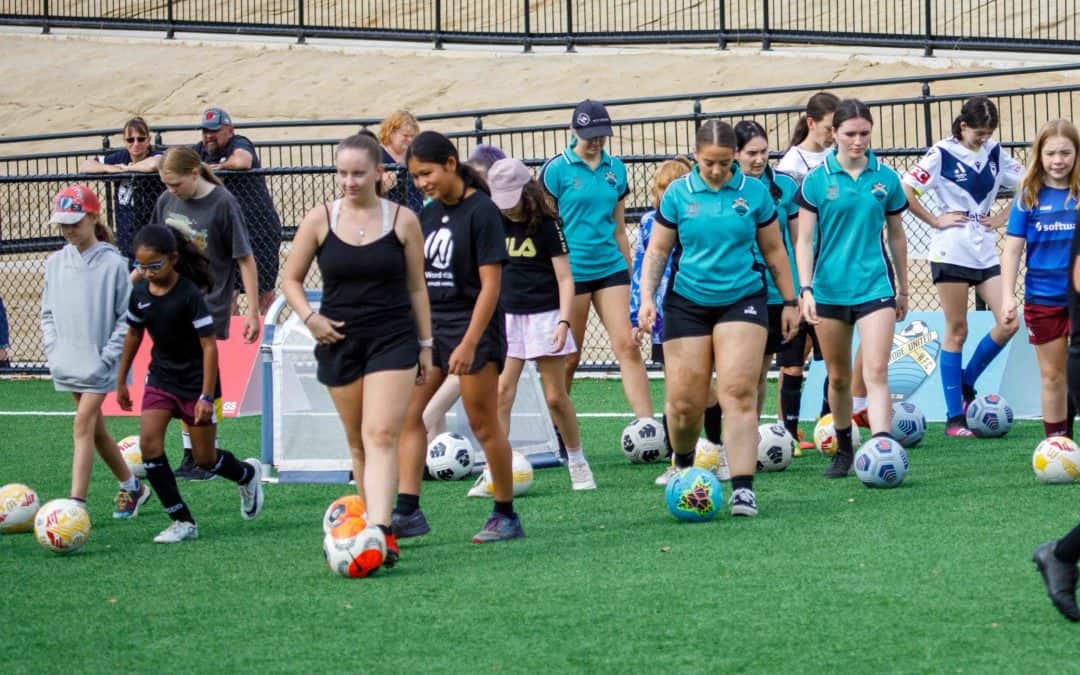
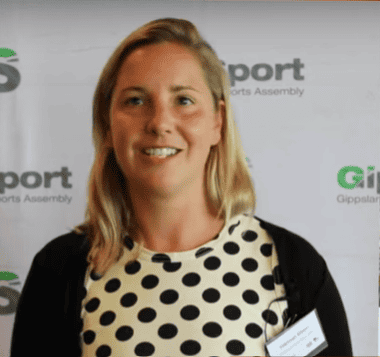
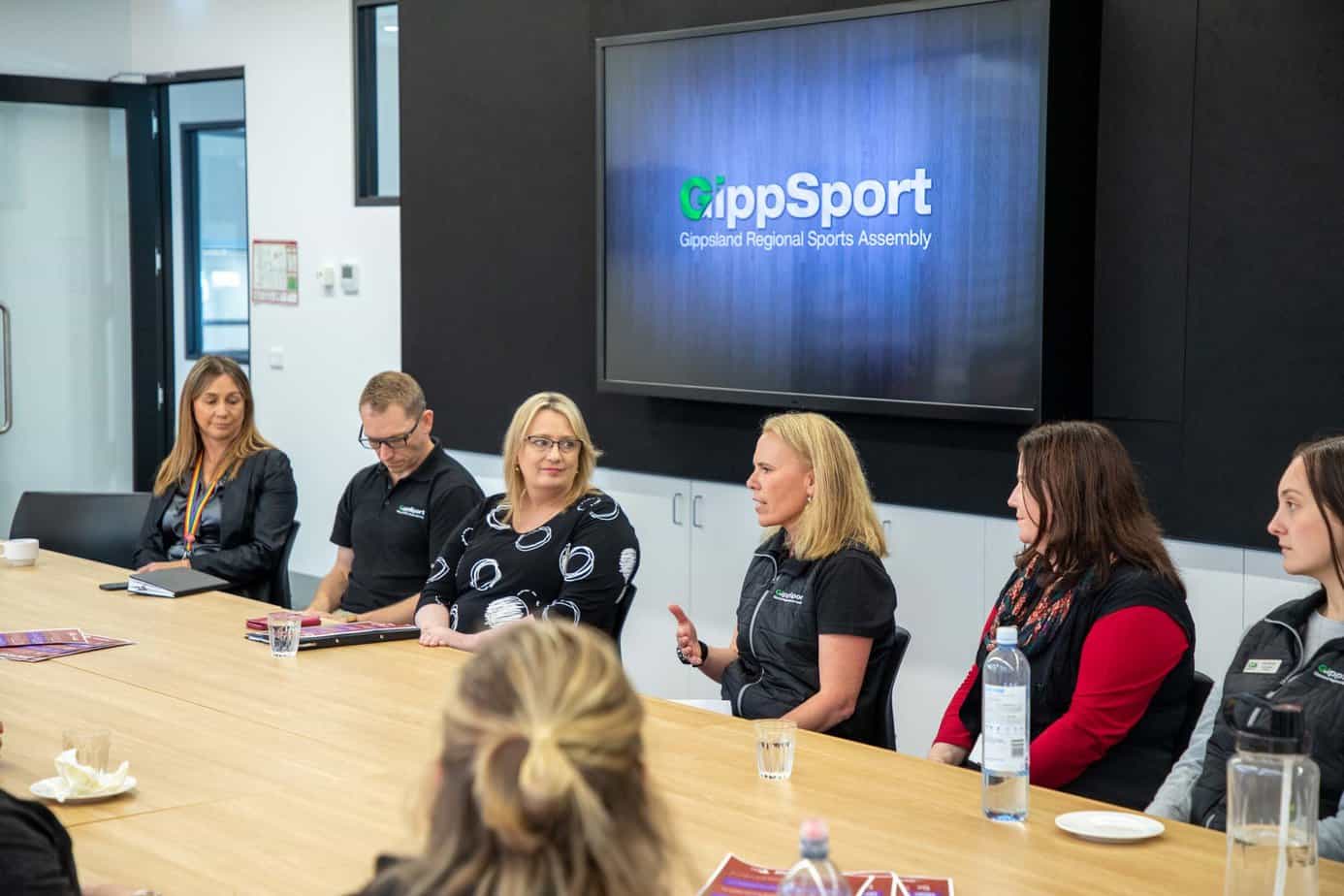
In the sporting industry, which is traditionally male dominated GippSport, they have been at the forefront advocating for Gender Equality implementing a huge breadth of initiatives. They understood that to positively impact the gender imbalance on the pitch they would need to start with their own organisation. CEO Dan Pynton, is incredibly proud of the work they have done to recruit and develop the women on the GippSport team. It hasn’t been easy; they have had to chase down funding and invest equitably in women to address the imbalance that is historical in the community sport sector. As a result, one of their team has completed the Foundation Company Directors program, others have finished the various Government funded Emerging Leader’s program’s and three traineeships have been established.
“It is about equity, not equality,” says Dan.
In a proactive effort to ensure his team was on board with the investment in women, Dan started with training his male staff as allies. Today, GippSport has grown to three times its former size with women’s representation changing from 20% of the team to 60%. This is replicated on GippSport’s Board where 5 of 8 of the Directors are women from a range of backgrounds and professions.
It’s all about fairness
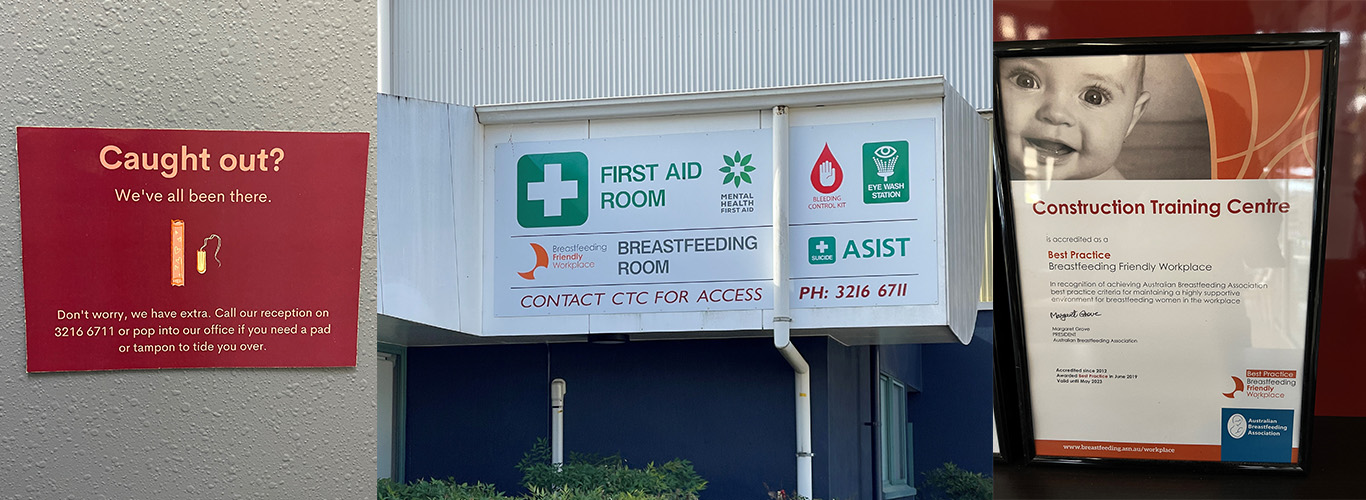
The Construction Training Centre. Created a landmark initiative when they determined to pay an extra 1% superannuation to all their female employees as well as continuing their full super whilst on maternity leave. Driven by the huge gap in superannuation between men and women at retirement, CEO, Phil Diver, felt the initiative was justified. His first challenge was to get his organisation and board onside which involved a number of robust discussions. With the support of the board and key sponsor the late Ron Monaghan, the initiative was approved. (Ron was also the driving force behind having the stolen wages for First Nations people repaid by the Queensland government.) However, to do so it had to be done lawfully which required arguing the case before the Queensland Civil and Administrative Tribunal. QCAT ruled in favour of the Construction Training Centre and the superannuation changes were approved and implemented. At the time, this decision created some media interest in Queensland and the female staff have been enjoying the additional superannuation for over five years.
It’s all in the words …
In some cases, it’s the semantics that count. Simply changing the parental leave offering by removing the primary & secondary carer status has had a huge impact. It has changed how employees feel, it demonstrates a culture of caring for families and it has had a huge uptake by both male & female employees.
Its all about breaking down the biases
GippSport actively support female leaders across all community sporting groups to succeed. In one example a new president of the Board riders association in Phillip Island was elected and as the second female to hold the role felt “out of her depth”. With the support of the team, she has embraced the role and is now widely recognised as a role model.
In other activities they champion coaches & other leaders who form non-traditional role models in an effort to break down stereotypes with a goal to reduce domestic violence.
It’s all about inclusion…
Many of these businesses have broadened parental leave to encompass adoption, IVF and even recognising still birth leave needs.
Inclusion starts with finding those excluded or discriminated against. All these organisations have gone out of their way to establish inclusive networks to encourage these individuals to find their voice & overcome their obstacles.
There are many male dominated industries like technology and manufacturing. Certainly businesses with in technology have been innovative with programs such as She Builds AWS Girls Tech Days and Go Girl Go for IT. Others have implemented ones to reskill women in technology so they are employable into this lucrative market.
It takes a village to create change
From an individual perspective we discovered a common trait in all the finalists was their willingness to go above and beyond, to challenge the status quo, & help create the change that was needed.
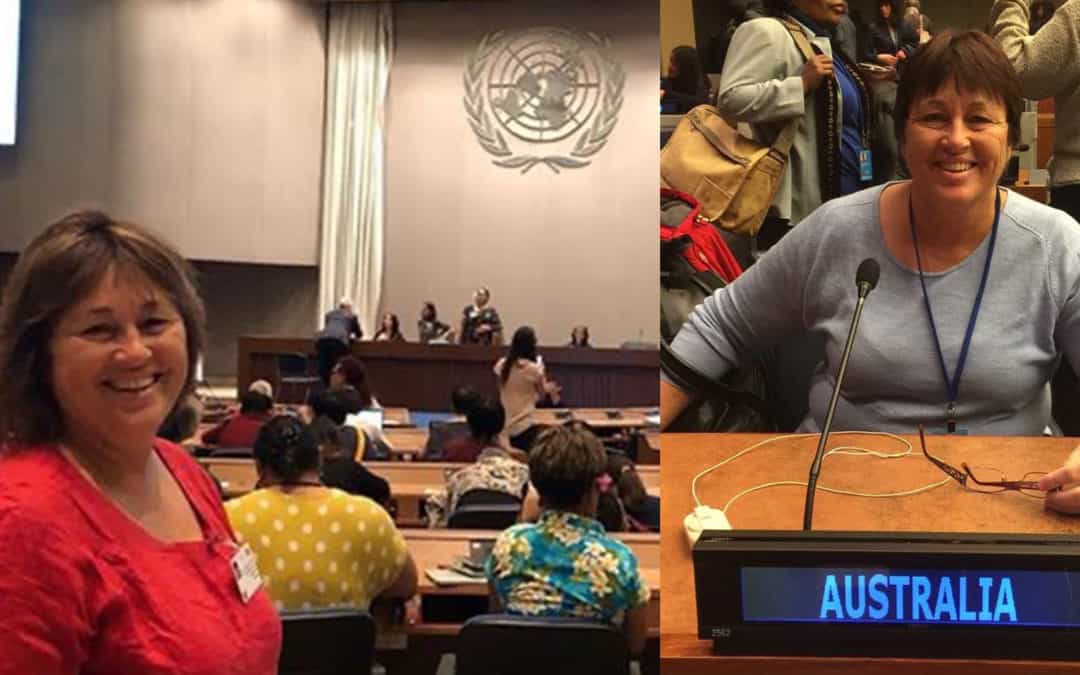
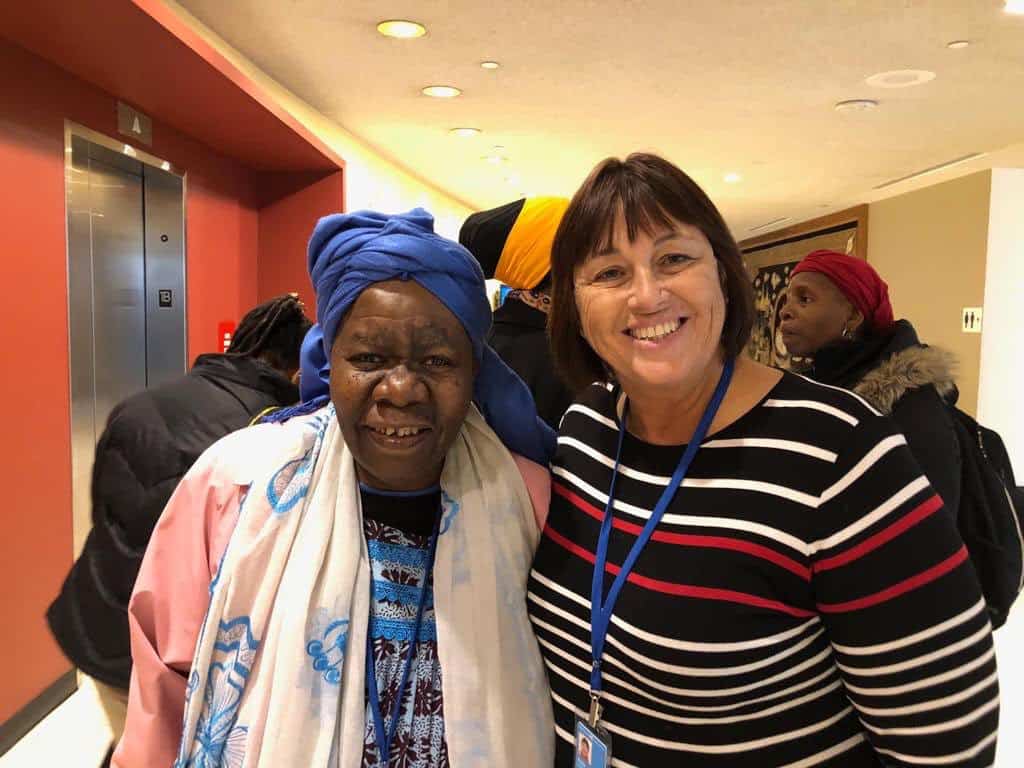
Leonie Noble was frustrated with government edicts that impacted the fishing industry and determined to “have a voice” . After loads of letter writing the minister came to town and encouraged her to get involved with policy. Today she is still advocating for necessary changes, as the president of the National Rural Women’s Coalition her remit has expanded, she now has a voice for rural women all over the world
Leonora Risse, as a senior economist, has felt women in economics were persistently being under represented and rarely present in the media. To create change she co-founded the Women in Economics Network (WEN) in Australia in 2017, to tackle this inequity head-on. The outcome has been to the elevating of economic issues that are of concern to women, for instance COVID impact to the gender pay gap, and improving the visibility of female economists in public debate.
It ends with a dream..
Now it’s up to you. Take these ideas and apply them to your industry or business or perhaps challenge the status quo. If we all play a part no matter how big or small we can make difference. It takes a village to raise a child and it is going to take all of us to create Gender Equality.
These stories are told in full on the Recalibrate – Gender Equity Awards website.